-
স্টিলের ট্যাংকগুলিতে গ্লাস ফিউজড (596)
-
স্টেইনলেস স্টীল ট্যাংক (434)
-
ফিউশন বন্ডেড ইপোক্সি ট্যাংক (592)
-
গ্যালভানাইজড স্টীল ট্যাংক (321)
-
অ্যালুমিনিয়াম গম্বুজ ছাদ (1316)
-
বর্জ্য জলের সংরক্ষণ ট্যাংক (231)
-
ঢালাই করা ইস্পাত ট্যাংক (457)
-
চাপ জাহাজ (295)
-
অ্যানেরোবিক ডাইজেস্টার (201)
-
শিল্প জলের ট্যাংক (349)
-
গ্লাস আচ্ছাদিত ইস্পাত ট্যাংক (180)
-
বোল্টেড স্টিলের ট্যাংক (390)
-
স্লাজ স্টোরেজ ট্যাঙ্ক (115)
-
বায়োগ্যাস স্টোরেজ ট্যাঙ্ক (173)
-
ল্যাচিয়েট স্টোরেজ ট্যাঙ্ক (133)
-
কৃষিজল সংরক্ষণের ট্যাংক (179)
-
অগ্নিনির্বাপক জলের ট্যাংক (166)
-
শস্য সংরক্ষণের সিলো (146)
-
বায়োগ্যাস প্রকল্প (425)
-
বর্জ্য জল পরিস্কারের প্রকল্প (788)
-
ডাবল মেমব্রেন ছাদ (223)

|
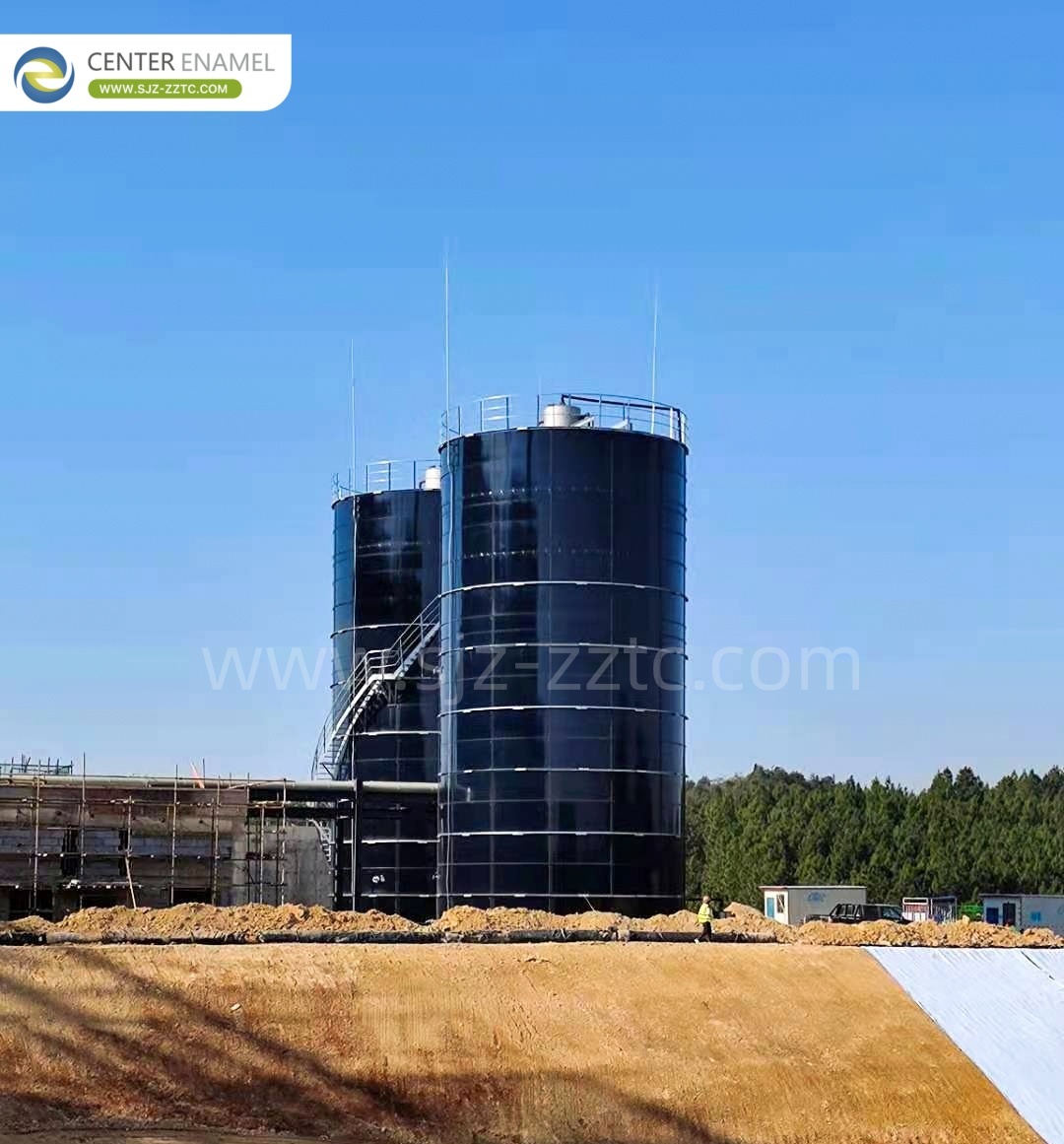
ভারতে কসাইখানার বর্জ্য জল চিকিত্সা প্রকল্পের জন্য উন্নত অ্যানেরোবিক সমাধান
| উৎপত্তি স্থল: | চীন |
| পরিচিতিমুলক নাম: | CEC TANKS |
| সাক্ষ্যদান: | ISO 9001:2008, AWWA D103 , OSHA , BSCI |
| মডেল নম্বার: | ডব্লিউ |
| ন্যূনতম চাহিদার পরিমাণ: | 1 সেট |
| মূল্য: | $5000~$20000 one set |
| প্যাকেজিং বিবরণ: | প্রতিটি দুটি ইস্পাত প্লেটের মধ্যে PE পলি-ফেনা; কাঠের প্যালেট এবং কাঠের |
| ডেলিভারি সময়: | আমানত প্রাপ্তির 10-30 দিন পরে |
| পরিশোধের শর্ত: | এল/সি, টি/টি |
| যোগানের ক্ষমতা: | প্রতি মাসে 60 সেট |
|
বিস্তারিত তথ্য |
|||
| উৎপত্তি স্থল | চীন | পরিচিতিমুলক নাম | CEC TANKS |
|---|---|---|---|
| সাক্ষ্যদান | ISO 9001:2008, AWWA D103 , OSHA , BSCI | মডেল নম্বার | ডব্লিউ |
| ট্যাংক শরীরের রং: | গাঢ় সবুজ / কাস্টমাইজ করা যাবে | জারা অখণ্ডতা: | চমৎকার |
| ইস্পাত প্লেট বেধ: | 3 মিমি থেকে 12 মিমি, ট্যাঙ্কের কাঠামোর উপর নির্ভর করে | রাসায়নিক প্রতিরোধ: | চমৎকার |
| প্যানেলের আকার: | 2.4M * 1.2M | পরিষ্কার করা সহজ: | মসৃণ, চকচকে, জড়, বিরোধী আনুগত্য |
| বিশেষভাবে তুলে ধরা: | অ্যানেরোবিক কসাইখানা বর্জ্য জল চিকিত্সা,বর্জ্য জল চিকিত্সা প্রকল্প ভারত,কসাইখানা বর্জ্য জল চিকিত্সা সমাধান |
||
পণ্যের বর্ণনা
উন্নতভারতে গবাদিপশুর বর্জ্য জল চিকিত্সা প্রকল্পের জন্য অ্যানেরোবিক সমাধান
বিশ্বের অন্যতম প্রধান মাংস রপ্তানিকারক দেশ হিসাবে, ভারতের পশুসম্পদ ও শস্যক্ষেত্রের শিল্প তার কৃষি অর্থনীতির মূল ভিত্তি।এই সেক্টর থেকে উচ্চ-শক্তির জৈব বর্জ্যের সাথে সম্পর্কিত পরিবেশগত চ্যালেঞ্জগুলি উল্লেখযোগ্যশিল্প উৎপাদনশীলতা ভারতে কঠোর পরিবেশগত মানদণ্ডের সঙ্গে সামঞ্জস্য বজায় রাখতে,সেন্টার এনামেল, একটি প্রধান বিশ্বব্যাপীইপিসি ঠিকাদার, অত্যাধুনিক লিভারেজঅ্যানেরোবিক সমাধানএবং মালিকানাধীনগ্লাস-ফিউজড-টু-স্টিল (জিএফএস) ট্যাংকভারতের গবাদিপশুর খামারগুলির জন্য বর্জ্য জল ব্যবস্থাপনা নিশ্চিত করা।
ভারতীয় শস্যক্ষেত্র শিল্পের দৃশ্য
অভ্যন্তরীণ চাহিদা এবং শক্তিশালী রপ্তানি বাজার উভয়ই ভারতীয় মাংস প্রক্রিয়াকরণ খাতে উল্লেখযোগ্য বৃদ্ধি পেয়েছে।বড় আকারের ইন্টিগ্রেটেড প্রক্রিয়াকরণ কারখানা থেকে বিকেন্দ্রীভূত পৌরসভা শস্যক্ষেত্র পর্যন্ততবে এই সুবিধাগুলির ঘনত্ব, বিশেষ করে উত্তরপ্রদেশ, মহারাষ্ট্র এবং পাঞ্জাবের মতো রাজ্যে,এর ফলে ব্যাপক পরিমাণে শিল্প বর্জ্য উৎপন্ন হয়েছে।সরকার বিভিন্ন শিল্প প্রকল্পের মাধ্যমে আধুনিকীকরণকে উৎসাহিত করছে।দেশের জলসীমা ও জনস্বাস্থ্য রক্ষায় উচ্চ ক্ষমতাসম্পন্ন বর্জ্য জল পরিশোধন পরিকাঠামো অত্যন্ত গুরুত্বপূর্ণ.
ভারতে খামার বর্জ্য জলের সমস্যা এবং নিয়ন্ত্রক নীতি
গবাদিপশুর বর্জ্য জল তার অত্যন্ত উচ্চ জৈবিক লোড এবং জৈবিক জটিলতার দ্বারা চিহ্নিত।কেন্দ্রীয় দূষণ নিয়ন্ত্রণ বোর্ড (সিপিসিবি)এবংজাতীয় সবুজ ট্রাইব্যুনাল (এনজিটি)মাংস প্রক্রিয়াকরণ শিল্পের জন্য কঠোর নিষ্কাশন মান নির্ধারণ করেছে। সুনির্দিষ্ট BOD, COD,নিকাশী বা জলাশয়গুলিতে নিষ্কাশনের আগে তেল এবং গ্রাসের সীমাএছাড়া, এই সেক্টরের কার্বন পদচিহ্ন কমাতে বর্জ্য থেকে জ্বালানি উৎপাদনের মডেল গ্রহণের জন্য ক্রমবর্ধমান চাপ রয়েছে।
ভারতে অপরিশোধিত শস্যক্ষেত্রের বর্জ্যের ঝুঁকিগুলির মধ্যে রয়েছেঃ
গুরুতর জৈব দূষণঃরক্ত, চর্বি এবং প্রোটিনের উচ্চ ঘনত্ব নদী ও স্রোতের অক্সিজেন দ্রুত হ্রাস করে।
প্যাথোজেনিক ঝুঁকিঃবর্জ্য জল ক্ষতিকারক ব্যাকটেরিয়া, ভাইরাস এবং পরজীবী বহন করতে পারে, যা জনস্বাস্থ্য এবং প্রাণী কল্যাণের জন্য উল্লেখযোগ্য ঝুঁকি সৃষ্টি করে।
গন্ধযুক্ত নির্গমনঃউন্মুক্ত পুকুরে বা খারাপভাবে পরিচালিত সিস্টেমে জৈব পদার্থের অবক্ষয় আশেপাশের সম্প্রদায়ের জন্য গুরুতর গন্ধ সমস্যা সৃষ্টি করে।
খুনখানা বর্জ্য জলঃ উৎস এবং বিপদ বোঝা
গবাদিপশু খাওয়ানোর বিভিন্ন পর্যায়ে গবাদিপশু খাওয়ানো, হত্যা করা, গলা বের করা এবং পরিষ্কার করা সহ গবাদিপশু খাওয়ানোর বিভিন্ন পর্যায়ে গবাদিপশু খাওয়ানো থেকে বর্জ্য জলের উত্পাদন হয়।
পশুপালন এবং হত্যা তল:এই এলাকাগুলোতে ময়লা, প্রস্রাব, রক্ত এবং উচ্চতর স্থির পদার্থ দিয়ে ভরা আবর্জনা উৎপন্ন হয়।
বমি করা এবং ছাঁটাইঃএই প্রক্রিয়াগুলি বর্জ্য প্রবাহে উল্লেখযোগ্য পরিমাণে ফ্যাট, ফ্যাট এবং অভ্যন্তরীণ জৈব পদার্থ ছেড়ে দেয়।
পরিষ্কার-পরিচ্ছন্নতা:ক্লিন-ইন-প্লেস (সিআইপি) চক্রগুলিতে ব্যবহৃত প্রচুর পরিমাণে গরম জল এবং রাসায়নিক ডিটারজেন্টগুলি উচ্চ তাপমাত্রা এবং পিএইচ স্তরের ওঠানামা করতে অবদান রাখে।
সমন্বিত ছত্রাকখানা বর্জ্য জল চিকিত্সা প্রক্রিয়া
সেন্টার এনামেল উচ্চ-কার্যকারিতা চিকিত্সা সিস্টেম ডিজাইন করে যা যান্ত্রিক, রাসায়নিক এবং জৈবিক পর্যায়ে একীভূত করেঃ
প্রাক চিকিত্সাঃবড় বড় কঠিন পদার্থ (হাউস, চুল, গ্রাইট) এবং বিশেষায়িত গ্রাইস ট্র্যাপস বা দ্রবীভূত এয়ার ফ্লোটেশন (ডিএএফ) ইউনিটগুলিকে চর্বি, তেল এবং গ্রীস (এফওজি) অপসারণের জন্য যান্ত্রিক স্ক্রিনগুলি ব্যবহার করে।
অ্যানেরোবিক হজম (কোর স্টেজ):একটি সমালোচনামূলক পর্যায়ে যেখানে উচ্চ-শক্তির জৈব পদার্থ অ্যানেরোবিক ব্যাকটেরিয়া দ্বারা ভেঙে যায়। এই প্রক্রিয়াটি মূল্যবান উত্পাদনবায়োগ্যাস, যা কারখানার বয়লার বা বিদ্যুৎ উৎপাদনের জন্য ব্যবহার করা যেতে পারে।
এয়ারোবিক পোস্ট-ট্রাকচারঃঅ্যানেরোবিক হজম অনুসরণ করে, প্রক্রিয়া যেমনসক্রিয় স্ল্যাডঅথবাসিকোয়েন্সিং ব্যাচ রিঅ্যাক্টর (এসবিআর)পানিকে আরও পলিশিং করার জন্য ব্যবহার করা হয়, যাতে এটি নাইট্রোজেন এবং ফসফরাস ছাড়ের সীমা পূরণ করে।
জীবাণুমুক্তকরণ এবং স্ল্যাড ব্যবস্থাপনাঃচিকিত্সা করা জলটি জীবাণুমুক্ত করা হয় (উদাহরণস্বরূপ, ইউভি বা ক্লোরিনেশন দ্বারা) এবং অবশিষ্ট স্ল্যাডগুলি জৈব সার হিসাবে ব্যবহারের জন্য জলহীন করা হয়।
মূল অ্যানেরোবিক প্রযুক্তিঃ সিএসটিআর, ইউএএসবি, ইউএসআর এবং আইসি
সেন্টার এনামেল সবচেয়ে কার্যকর নির্বাচন করেঅ্যানেরোবিক প্রযুক্তিগবাদিপশুর নির্দিষ্ট বর্জ্য বৈশিষ্ট্য অনুযায়ীঃ
CSTR (Continuous Stirred Tank Reactor):উচ্চতর শক্ত পদার্থ (যেমন, পেটের সামগ্রী এবং ময়লা) সহ শস্যক্ষেত্রের জন্য আদর্শ। যান্ত্রিক মিশ্রণ ধ্রুবক হজম এবং সর্বোচ্চ বায়োগ্যাস ফলন নিশ্চিত করে।
ইউএএসবি (উপরমুখী অ্যানেরোবিক স্ল্যাড বেকমেন্ট):অপচয়িত জলের তরল অংশের জন্য একটি উচ্চ-প্রবাহিত সমাধান, একটি কম্প্যাক্ট পদচিহ্নের মধ্যে উচ্চ সিওডি অপসারণের জন্য একটি granular sludge blanket ব্যবহার করে।
ইউএসআর (উপফ্লো সলিডস রিঅ্যাক্টর):বিশেষভাবে উচ্চতর স্থিতিশীল কঠিন পদার্থের সাথে বর্জ্য জলের জন্য ডিজাইন করা হয়েছে, পুঙ্খানুপুঙ্খ বিভাজনের জন্য দীর্ঘ কঠিন পদার্থ ধরে রাখার সময় সরবরাহ করে।
আইসি (অভ্যন্তরীণ সঞ্চালন) রিঅ্যাক্টরঃপরবর্তী প্রজন্মের উচ্চ-কার্যকারিতা চিকিত্সা, বড় আকারের, উচ্চ-লোড শিল্প মাংস প্রক্রিয়াকরণ সুবিধা জন্য উচ্চ স্থিতিশীলতা এবং ক্ষমতা প্রদান করে।
উৎকর্ষতার ভিত্তিঃ কাঁচ থেকে ইস্পাত (জিএফএস) ট্যাংক
সেন্টার এনামেল মালিকানাধীন ব্যবহারজিএফএস ট্যাংকএর জন্য প্রধান জাহাজ হিসাবেখামার বর্জ্য জল চিকিত্সা প্রকল্প:
অসাধারণ ক্ষয় প্রতিরোধ ক্ষমতাঃকাচ এবং ইস্পাতের মিশ্রণ একটি নিষ্ক্রিয় বাধা তৈরি করে যা গরুরখানা বর্জ্যে প্রচলিত আক্রমণাত্মক জৈবিক অ্যাসিড এবং পরিষ্কারের রাসায়নিকের বিরুদ্ধে অনাক্রম্য।
দ্রুত মডুলার ইনস্টলেশনঃবোল্টযুক্ত নকশাটি কংক্রিটের তুলনায় অনেক দ্রুত নির্মাণের অনুমতি দেয়, যা অপারেশনাল সুবিধাগুলির জন্য ডাউনটাইমকে হ্রাস করে।
স্বাস্থ্যবিধি এবং স্থায়িত্বঃমসৃণ গ্লাস পৃষ্ঠটি বায়োফিল্মের জমাট বাঁধতে বাধা দেয় এবং এটি পরিষ্কার করা সহজ, উচ্চ স্বাস্থ্যকর মান বজায় রেখে 30 বছরেরও বেশি সময় ধরে পরিষেবা জীবন।
কেন আপনার ইপিসি ঠিকাদার হিসাবে সেন্টার এনামেল চয়ন করুন?
বিশেষজ্ঞ হিসেবেইপিসি ঠিকাদার, সেন্টার এনামেল একটি ব্যাপক, "এক স্টপ" সমাধান প্রদান করেঃ
কাস্টমাইজড ইঞ্জিনিয়ারিং:সিপিসিবির মান এবং সাইট-নির্দিষ্ট অপারেশনাল চাহিদা পূরণের জন্য সিস্টেমগুলি সুনির্দিষ্টভাবে ডিজাইন করা হয়েছে।
গ্লোবাল ট্র্যাক রেকর্ডঃ১০০টিরও বেশি দেশে প্রকল্পের মাধ্যমে আমরা ভারতীয় বাজারে বর্জ্য থেকে জ্বালানি উৎপাদনের ক্ষেত্রে আন্তর্জাতিক দক্ষতা নিয়ে আসছি।
সম্পূর্ণ সিস্টেম ইন্টিগ্রেশনঃজিএফএস ট্যাংক থেকে শুরু করে উন্নত চুল্লি এবং বায়োগ্যাস পুনরুদ্ধার ব্যবস্থা পর্যন্ত আমরা নিখুঁত সমাধান সরবরাহ করি।
প্রমাণিত সাফল্য: বিশ্বব্যাপী প্রকল্পের হাইলাইটস
মামলা ১ঃ থাইল্যান্ড শিল্প বর্জ্য জল চিকিত্সা প্রকল্প
ট্যাংক মাত্রাঃ φ13.76*7.8 m (H) 1 ইউনিট
মোট ভলিউমঃ 1159 m3 1 ইউনিট
সমাপ্তির সময়ঃ ২০২৩
মামলা ২ঃ চিলি শিল্প বর্জ্য জল চিকিত্সা প্রকল্প
ট্যাংক মাত্রাঃ φ12.99*4.8 মি (এইচ) 1 ইউনিট
মোট ভলিউমঃ 635 m3 1 ইউনিট
সমাপ্তির সময়ঃ ২০২৩
ভারতে শস্যক্ষেত্র পরিচালকদের জন্য,বর্জ্য জল চিকিত্সার টেকসই সমাধান গ্রহণ করা ক্রমবর্ধমান কঠোর পরিবেশগত নিয়মাবলী মোকাবেলা এবং সবুজ উন্নয়ন অর্জন করার জন্য একটি অপরিহার্য পথ. সেন্টার এনামেল এরঅ্যানেরোবিক সমাধানএবংজিএফএস ট্যাংকউচ্চ ঘনত্বের জৈব বর্জ্য জল চিকিত্সার জন্য দীর্ঘমেয়াদী নির্ভরযোগ্যতার সাথে একটি উচ্চ দক্ষতা, ব্যয়-কার্যকর কাঠামো সরবরাহ করুন।বিপজ্জনক বর্জ্য জলকে পুনর্নবীকরণযোগ্য বায়োগ্যাস শক্তি এবং বিশুদ্ধ জলের সংস্থানগুলিতে রূপান্তর করেআমরা ভারতীয় শিল্প সংস্থাগুলিকে অর্থনৈতিক প্রবৃদ্ধির সঙ্গে পরিবেশ রক্ষার ভারসাম্য বজায় রাখতে সহায়তা করি। This integrated EPC service not only ensures long-term compliant operations for companies but also helps India's meat processing industry establish a green competitive advantage in the global sustainable trade system.