-
স্টিলের ট্যাংকগুলিতে গ্লাস ফিউজড (596)
-
স্টেইনলেস স্টীল ট্যাংক (434)
-
ফিউশন বন্ডেড ইপোক্সি ট্যাংক (592)
-
গ্যালভানাইজড স্টীল ট্যাংক (321)
-
অ্যালুমিনিয়াম গম্বুজ ছাদ (1316)
-
বর্জ্য জলের সংরক্ষণ ট্যাংক (231)
-
ঢালাই করা ইস্পাত ট্যাংক (457)
-
চাপ জাহাজ (295)
-
অ্যানেরোবিক ডাইজেস্টার (201)
-
শিল্প জলের ট্যাংক (349)
-
গ্লাস আচ্ছাদিত ইস্পাত ট্যাংক (180)
-
বোল্টেড স্টিলের ট্যাংক (390)
-
স্লাজ স্টোরেজ ট্যাঙ্ক (115)
-
বায়োগ্যাস স্টোরেজ ট্যাঙ্ক (173)
-
ল্যাচিয়েট স্টোরেজ ট্যাঙ্ক (133)
-
কৃষিজল সংরক্ষণের ট্যাংক (179)
-
অগ্নিনির্বাপক জলের ট্যাংক (166)
-
শস্য সংরক্ষণের সিলো (146)
-
বায়োগ্যাস প্রকল্প (425)
-
বর্জ্য জল পরিস্কারের প্রকল্প (788)
-
ডাবল মেমব্রেন ছাদ (223)


|
এফবিই এয়ারোবিক রিঅ্যাক্টরঃ উচ্চ দক্ষতার বর্জ্য জল চিকিত্সার জন্য ইঞ্জিনিয়ারিং স্ট্যান্ডার্ড (2026)
| উৎপত্তি স্থল: | চীন |
| পরিচিতিমুলক নাম: | CEC TANKS |
| সাক্ষ্যদান: | ISO 9001:2008, AWWA D103 , OSHA , BSCI |
| মডেল নম্বার: | W201691123005 |
| ন্যূনতম চাহিদার পরিমাণ: | 1 সেট |
| মূল্য: | $5000~$20000 one set |
| প্যাকেজিং বিবরণ: | প্রতিটি দুটি ইস্পাত প্লেটের মধ্যে পিই পলি-ফোম; কাঠের প্যালেট এবং কাঠের বাক্স |
| ডেলিভারি সময়: | আমানত প্রাপ্তির 0-60 দিন পরে |
| পরিশোধের শর্ত: | এল/সি, টি/টি |
| যোগানের ক্ষমতা: | প্রতি মাসে 60 সেট |
|
বিস্তারিত তথ্য |
|||
| উৎপত্তি স্থল | চীন | পরিচিতিমুলক নাম | CEC TANKS |
|---|---|---|---|
| সাক্ষ্যদান | ISO 9001:2008, AWWA D103 , OSHA , BSCI | মডেল নম্বার | W201691123005 |
| ইস্পাত প্লেট বেধ: | 3 মিমি থেকে 12 মিমি, ট্যাঙ্কের কাঠামোর উপর নির্ভর করে | জারা অখণ্ডতা: | চমৎকার |
| রাসায়নিক প্রতিরোধ: | চমৎকার | ক্ষমতা: | 20 এম 3 থেকে 18,000 এম 3 |
| সেবা জীবন: | ≥30 বছর | ব্যাপ্তিযোগ্যতা: | গ্যাস / তরল সীমাহীন |
| বিশেষভাবে তুলে ধরা: | এয়ারোবিক রিঅ্যাক্টর FBE বর্জ্য জল চিকিত্সা,ফিউশন বন্ডযুক্ত ইপোক্সি এয়ারোবিক রিঅ্যাক্টর,উচ্চ দক্ষতা FBE বর্জ্য জল চিকিত্সা |
||
পণ্যের বর্ণনা
এফবিই অ্যারোবিক রিঅ্যাক্টর: উচ্চ-দক্ষতা বর্জ্য জল চিকিত্সার জন্য প্রকৌশল মানদণ্ড (2026)
2026 শিল্পের ল্যান্ডস্কেপে, টেকসই এবং কমপ্যাক্ট বর্জ্য জল চিকিত্সার দিকে স্থানান্তরিত করেছেঅ্যারোবিক চুল্লিসুবিধা নকশা কেন্দ্রে. দ্রুত জৈব অবক্ষয় প্রয়োজন প্রক্রিয়ার জন্য, যেমনSBR (সিকোয়েন্সিং ব্যাচ রিঅ্যাক্টর),MBBR (মুভিং বেড বায়োফিল্ম রিঅ্যাক্টর), এবংসক্রিয় স্লাজ,ফিউশন বন্ডেড ইপোক্সি (FBE) বোল্ট করা ইস্পাত ট্যাঙ্কপ্রধান কাঠামোগত পছন্দ হিসাবে আবির্ভূত হয়েছে.
1. একটি FBE এরোবিক চুল্লি কি?
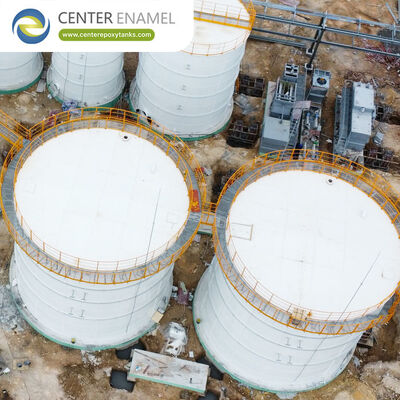
একটি এফবিই অ্যারোবিক চুল্লি হল একটি মডুলার, বোল্টেড ইস্পাত জাহাজ যেখানে বায়বীয় অণুজীবগুলি অক্সিজেনের উপস্থিতিতে জৈব পদার্থকে পচে যায়। ইস্পাত প্যানেলগুলি একটি বিশেষ তাপীয় ফিউশন প্রক্রিয়ার মাধ্যমে একটি উচ্চ-কার্যক্ষমতাসম্পন্ন থার্মোসেট ইপোক্সি রজন দিয়ে কারখানা-প্রলিপ্ত।
দফিউশন বন্ডেড ইপোক্সিপ্রক্রিয়াটি ইলেক্ট্রোস্ট্যাটিকভাবে প্রি-হিটেড স্টিল প্লেটে (180°C থেকে 230°C) শুকনো পাউডার প্রয়োগ করে। এটি একটি আণবিকভাবে ক্রস-লিঙ্কযুক্ত বাধা তৈরি করে যা স্থায়ীভাবে ইস্পাত সাবস্ট্রেটের সাথে আবদ্ধ থাকে। বায়বীয় পরিবেশে - যেখানে ধ্রুবক বায়ুচলাচল একটি অত্যন্ত অক্সিজেনযুক্ত এবং প্রায়শই উত্তাল বায়ুমণ্ডল তৈরি করে - এই আবরণটি ক্ষয়ের বিরুদ্ধে একটি দুর্ভেদ্য ঢাল প্রদান করে।
2. প্রযুক্তিগত কর্মক্ষমতা: কেন বায়বীয় চিকিত্সার জন্য FBE?
বায়বীয় চুল্লিগুলি উচ্চ দ্রবীভূত অক্সিজেনের মাত্রা, বিভিন্ন pH এবং বায়ুচলাচল সরঞ্জাম থেকে যান্ত্রিক পরিধান সহ অনন্য চ্যালেঞ্জের মুখোমুখি হয়। এফবিই প্রযুক্তি কয়েকটি মূল মেট্রিকের মাধ্যমে এগুলিকে সম্বোধন করে:
-
অক্সিডেটিভ জারা প্রতিরোধ:বায়ুচলাচল ব্যবস্থা উচ্চ মাত্রার অক্সিজেন প্রবর্তন করে, যা স্ট্যান্ডার্ড স্টিলে মরিচা ধরার প্রক্রিয়াকে ত্বরান্বিত করে। FBE-এর অ-ছিদ্রযুক্ত বাধা অক্সিজেন এবং আর্দ্রতাকে ইস্পাত স্তরে পৌঁছাতে বাধা দেয়।
-
pH স্থিতিশীলতা:বায়বীয় প্রক্রিয়াগুলি প্রভাবের উপর নির্ভর করে অম্লতাতে ওঠানামা করতে পারে। FBE আবরণ একটি প্রশস্ত জুড়ে স্থিতিশীল থাকেpH পরিসীমা (সাধারণত 3 থেকে 11).
-
শূন্য-বিচ্ছিন্নতার গুণমানের নিশ্চয়তা:প্রতিটি প্যানেল উচ্চ-ভোল্টেজের মধ্য দিয়ে যায়হলিডে টেস্টিং (1100V)কারখানায় 100% পিনহোল-মুক্ত আস্তরণ নিশ্চিত করতে। এটি অত্যন্ত গুরুত্বপূর্ণ কারণ অ্যারোবিক ট্যাঙ্কগুলি প্রায়ই 24/7 নিমজ্জিত থাকে, যা সাইটের মেরামত প্রায় অসম্ভব করে তোলে।
-
মিশ্রণের জন্য কম ঘর্ষণ:FBE-এর কাচ-মসৃণ পৃষ্ঠ ঘর্ষণ কমায়, নিশ্চিত করে যে বায়ু বুদবুদ এবং অণুজীবগুলি মিশ্রণের জন্য কম শক্তির সাথে সাসপেনশনে থাকে।
3. তুলনা: FBE বনাম কংক্রিট বনাম স্টেইনলেস স্টিল
4. বায়বীয় প্রক্রিয়ার সাথে কৌশলগত একীকরণ
এফবিই প্রযুক্তি আধুনিক বায়বীয় কর্মপ্রবাহের যান্ত্রিক প্রয়োজনীয়তা সমর্থন করার জন্য ইঞ্জিনিয়ার করা হয়েছে:
SBR (সিকোয়েন্সিং ব্যাচ রিঅ্যাক্টর)
যেহেতু এসবিআরগুলি চক্রে কাজ করে (ভরাট, প্রতিক্রিয়া, সেটেল, ডিক্যান্ট), ট্যাঙ্কের দেয়ালগুলি প্রায়শই "ভেজা-শুকনো" ইন্টারফেসের সংস্পর্শে আসে। FBE এর উচ্চতর "এজ র্যাপ" সুরক্ষা নিশ্চিত করে যে এই ইন্টারফেস অঞ্চলগুলি স্থানীয় ক্ষয়ের জন্য সাইট হয়ে উঠবে না।
MBBR এবং IFAS সিস্টেম
প্লাস্টিকের বায়োফিল্ম বাহক (মিডিয়া) ব্যবহার করে অ্যারোবিক চুল্লিগুলির জন্য টেকসই দেয়ালের প্রয়োজন হয় যা মিডিয়া নড়াচড়ার সাথে সাথে ধ্রুবক "ঘোলা" সহ্য করতে পারে। থার্মোসেট FBE আবরণের কঠোরতা এই যান্ত্রিক পরিধানের বিরুদ্ধে চমৎকার ঘর্ষণ প্রতিরোধ ক্ষমতা প্রদান করে।
5. ইঞ্জিনিয়ারিং স্ট্যান্ডার্ড এবং কমপ্লায়েন্স (2026)
2026 সালে কাঠামোগত স্থিতিস্থাপকতা নিশ্চিত করতে, শিল্প নেতাদের থেকে FBE এরোবিক চুল্লিসেন্টার এনামেল (শিজিয়াজুয়াং ঝেংঝং প্রযুক্তি)নিম্নলিখিত মানদণ্ড মেনে চলুন:
-
AWWA D103-19:কারখানা-কোটেড বোল্টেড কার্বন ইস্পাত ট্যাঙ্কের জন্য বিশ্বব্যাপী মান।
-
ISO 28765:2016:শিল্প চিকিত্সা এবং স্টোরেজ জন্য উচ্চ কর্মক্ষমতা আবরণ নিয়ন্ত্রণ.
-
ASCE 7-22:সিসমিক স্থিতিস্থাপকতা এবং চরম বায়ু লোডের জন্য কাঠামোগত নকশা (250 text{ km/h} পর্যন্ত)।
-
ISO 9001:সমগ্র উত্পাদন এবং আবরণ প্রক্রিয়ার জন্য গুণমান ব্যবস্থাপনা।
6. মডুলার পরিকাঠামো সহ ROI ড্রাইভিং
সুবিধা ব্যবস্থাপকদের জন্য তাদের সর্বাধিক করতে খুঁজছেনরিটার্ন অন ইনভেস্টমেন্ট (ROI), theএফবিই এরোবিক চুল্লিচূড়ান্ত পছন্দ। সিঙ্ক্রোনাইজড হাইড্রোলিক জ্যাকগুলি ব্যবহার করে এই ট্যাঙ্কগুলিকে একত্রিত করার ক্ষমতা—অন-সাইট ওয়েল্ডিং বা স্ক্যাফোল্ডিং ছাড়াই-প্রজেক্টের সময়সীমা 50% পর্যন্ত কমিয়ে দেয়। তদ্ব্যতীত, তাদের মডুলার ডিজাইন ভবিষ্যতে সম্প্রসারণ বা স্থানান্তরের জন্য অনুমতি দেয়, একটি নমনীয়তা যা স্থায়ী কংক্রিট কাঠামোর সাথে মেলে না।
2026 সালে পরিবেশগত মান কঠোর হওয়ার সাথে সাথে,এফবিই এরোবিক চুল্লিএকটি ভবিষ্যত-প্রমাণ বিনিয়োগ প্রতিনিধিত্ব করে। ফিউশন-বন্ডেড ইপোক্সির রাসায়নিক অনাক্রম্যতার সাথে বোল্টেড স্টিলের কাঠামোগত নির্ভরযোগ্যতা একত্রিত করে, এই চুল্লিগুলি নিশ্চিত করে যে আপনার বর্জ্য জল চিকিত্সা প্রক্রিয়া কয়েক দশক ধরে দক্ষ, অনুগত এবং ব্যয়-কার্যকর থাকবে।
আপনি কি একটি নির্দিষ্ট শিল্প অ্যাপ্লিকেশনের জন্য একটি বায়বীয় সমাধান মূল্যায়ন করছেন, যেমন খাদ্য প্রক্রিয়াকরণ বা টেক্সটাইল বর্জ্য, এবং আপনি কি আপনার প্রয়োজনীয় পরিমাণের জন্য একটি প্রযুক্তিগত প্রস্তাব চান?