-
স্টিলের ট্যাংকগুলিতে গ্লাস ফিউজড (596)
-
স্টেইনলেস স্টীল ট্যাংক (434)
-
ফিউশন বন্ডেড ইপোক্সি ট্যাংক (592)
-
গ্যালভানাইজড স্টীল ট্যাংক (321)
-
অ্যালুমিনিয়াম গম্বুজ ছাদ (1316)
-
বর্জ্য জলের সংরক্ষণ ট্যাংক (231)
-
ঢালাই করা ইস্পাত ট্যাংক (457)
-
চাপ জাহাজ (295)
-
অ্যানেরোবিক ডাইজেস্টার (201)
-
শিল্প জলের ট্যাংক (349)
-
গ্লাস আচ্ছাদিত ইস্পাত ট্যাংক (180)
-
বোল্টেড স্টিলের ট্যাংক (390)
-
স্লাজ স্টোরেজ ট্যাঙ্ক (115)
-
বায়োগ্যাস স্টোরেজ ট্যাঙ্ক (173)
-
ল্যাচিয়েট স্টোরেজ ট্যাঙ্ক (133)
-
কৃষিজল সংরক্ষণের ট্যাংক (179)
-
অগ্নিনির্বাপক জলের ট্যাংক (166)
-
শস্য সংরক্ষণের সিলো (146)
-
বায়োগ্যাস প্রকল্প (425)
-
বর্জ্য জল পরিস্কারের প্রকল্প (788)
-
ডাবল মেমব্রেন ছাদ (223)

|
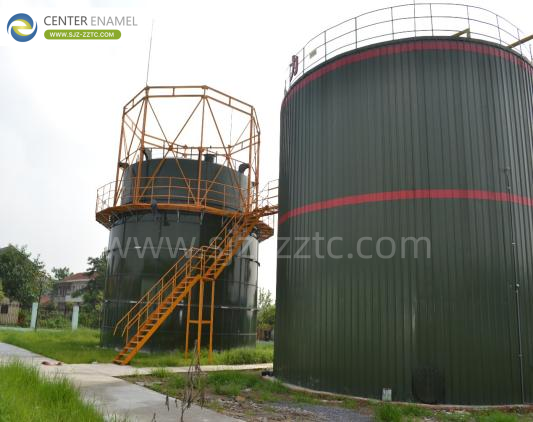
লাওসের জন্য প্রিমিয়াম বায়োগ্যাস প্রযুক্তি এবং ইউএএসবি প্রক্রিয়া গৃহস্থালি বর্জ্য বায়োগ্যাস প্রকল্প
| উৎপত্তি স্থল: | চীন |
| পরিচিতিমুলক নাম: | CEC TANKS |
| সাক্ষ্যদান: | ISO 9001:2008, AWWA D103 , OSHA , BSCI |
| মডেল নম্বার: | ডব্লিউ |
| ন্যূনতম চাহিদার পরিমাণ: | 1 সেট |
| মূল্য: | $5000~$20000 one set |
| প্যাকেজিং বিবরণ: | প্রতিটি দুটি ইস্পাত প্লেটের মধ্যে PE পলি-ফেনা; কাঠের প্যালেট এবং কাঠের |
| ডেলিভারি সময়: | আমানত প্রাপ্তির 10-30 দিন পরে |
| পরিশোধের শর্ত: | এল/সি, টি/টি |
| যোগানের ক্ষমতা: | প্রতি মাসে 60 সেট |
|
বিস্তারিত তথ্য |
|||
| উৎপত্তি স্থল | চীন | পরিচিতিমুলক নাম | CEC TANKS |
|---|---|---|---|
| সাক্ষ্যদান | ISO 9001:2008, AWWA D103 , OSHA , BSCI | মডেল নম্বার | ডব্লিউ |
| ট্যাংক শরীরের রং: | গাঢ় সবুজ / কাস্টমাইজ করা যাবে | জারা অখণ্ডতা: | চমৎকার |
| ইস্পাত প্লেট বেধ: | 3 মিমি থেকে 12 মিমি, ট্যাঙ্কের কাঠামোর উপর নির্ভর করে | রাসায়নিক প্রতিরোধ: | চমৎকার |
| প্যানেলের আকার: | 2.4M * 1.2M | পরিষ্কার করা সহজ: | মসৃণ, চকচকে, জড়, বিরোধী আনুগত্য |
| বিশেষভাবে তুলে ধরা: | গৃহস্থালি বর্জ্যের জন্য বায়োগ্যাস প্রযুক্তি,ইউএএসবি প্রক্রিয়া বর্জ্য জল চিকিত্সা,গ্যারান্টি সহ লাওস বায়োগ্যাস প্রকল্প |
||
পণ্যের বর্ণনা
লাওস গৃহস্থালী বর্জ্য বায়োগ্যাস প্রকল্পের জন্য প্রিমিয়াম বায়োগ্যাস প্রযুক্তি এবং UASB প্রক্রিয়া
দ্রুত জনসংখ্যা বৃদ্ধি, নগর সম্প্রসারণ এবং ভোক্তাদের অভ্যাস পরিবর্তনের ফলে উন্নয়নশীল দেশগুলিতে পৌরসভার বর্জ্য ব্যবস্থাপনার ল্যান্ডস্কেপ মৌলিকভাবে পরিবর্তিত হয়েছে। বর্জ্যের বিভিন্ন প্রবাহের মধ্যে, পৌরসভার কঠিন বর্জ্য-বিশেষভাবেপরিবারের বর্জ্য— শহর সম্প্রসারণের জন্য একটি ক্রমবর্ধমান জটিল নিষ্পত্তি চ্যালেঞ্জ উপস্থাপন করে। প্রাথমিকভাবে জৈব রান্নাঘরের স্ক্র্যাপ, খাবারের অবশিষ্টাংশ, বাগানের বর্জ্য এবং বায়োডিগ্রেডেবল প্যাকেজিংয়ের সমন্বয়ে, গৃহস্থালির বর্জ্য আবাসিক অঞ্চলে তৈরি হওয়া দৈনিক বর্জ্যের একটি বিশাল অংশের প্রতিনিধিত্ব করে। যদি চিকিত্সা না করা হয়, জৈব পদার্থের এই বিস্ময়কর পরিমাণ পৌরসভা অবকাঠামোর জন্য একটি গুরুতর পরিবেশগত এবং আর্থিক বোঝা হয়ে দাঁড়ায়। যাইহোক, যখন প্রকৌশলী বর্জ্য থেকে শক্তি কাঠামোর মাধ্যমে পরিচালিত হয়, এটি সবুজ শক্তি উৎপাদনের জন্য একটি ব্যতিক্রমী, অত্যন্ত মূল্যবান স্তর হিসাবে কাজ করে।
গৃহস্থালী বর্জ্যের উৎপত্তি এবং প্রজন্ম
গৃহস্থালীর বর্জ্য সরাসরি শহুরে, শহরতলির এবং গ্রামীণ আবাসিক পরিবারের দৈনন্দিন গার্হস্থ্য কার্যক্রম থেকে উৎপন্ন হয়। প্রাথমিক অবদানকারী হ'ল খাদ্য তৈরি এবং ব্যবহার, যা প্রচুর পরিমাণে জৈব রান্নাঘরের বর্জ্য, উদ্ভিজ্জ ছাঁটাই, ফলের অবশিষ্টাংশ এবং অবশিষ্টাংশ উত্পাদন করে। অতিরিক্তভাবে, আবাসিক সম্পত্তি রক্ষণাবেক্ষণ বাগানের বর্জ্য, গজ কাটা, পাতা এবং বিভিন্ন ধরণের জৈব-অবচনযোগ্য কাগজের পণ্যগুলিকে পৌরসভার প্রত্যাখ্যান স্রোতে প্রবর্তন করে। যেহেতু এই উপকরণগুলি দৈনন্দিন মানুষের বেঁচে থাকা এবং গার্হস্থ্য জীবনের সাথে অভ্যন্তরীণভাবে যুক্ত, তাদের প্রজন্ম ক্রমাগত এবং পৌরসভার জনসংখ্যার ঘনত্ব এবং অর্থনৈতিক উন্নয়নের সাথে আনুপাতিকভাবে প্রসারিত হয়।
লাওসে গৃহস্থালীর বর্জ্য ব্যবস্থাপনার চাপের চ্যালেঞ্জ
লাওসের মতো দ্রুত উন্নয়নশীল দক্ষিণ-পূর্ব এশীয় দেশগুলিতে, পৌর কঠিন বর্জ্যের বৃদ্ধি উল্লেখযোগ্যভাবে ঐতিহ্যবাহী সংগ্রহ এবং নিষ্পত্তি অবকাঠামোকে ছাড়িয়ে গেছে। লাওস বছরে প্রচুর পরিমাণে গৃহস্থালির বর্জ্য উৎপন্ন করে, যার একটি গুরুত্বপূর্ণ শতাংশে রয়েছে অসাধারণ উচ্চ আর্দ্রতা সহ ভেজা জৈব পদার্থ।
ঐতিহাসিকভাবে, এই গার্হস্থ্য বর্জ্যের সিংহভাগই পৌরসভা এবং গ্রামীণ প্রদেশ জুড়ে অবস্থিত খোলা ডাম্প বা অপ্রকৌশলী ল্যান্ডফিলগুলিতে শেষ হয়। লাওসের উষ্ণ এবং গ্রীষ্মমন্ডলীয় জলবায়ুর অধীনে, নিয়ন্ত্রণহীন জৈব বর্জ্য এই খোলা জায়গায় দ্রুত, অনিয়ন্ত্রিত অ্যানেরোবিক পচন ঘটায়। এই মুক্ত-বাতাস অবক্ষয় বিপুল পরিমাণে মিথেন ($CH_4$) নির্গত করে, একটি শক্তিশালী গ্রীনহাউস গ্যাস যার বৈশ্বিক উষ্ণতা বৃদ্ধির সম্ভাবনা কার্বন ডাই অক্সাইড ($CO_2$) থেকে অনেক বেশি। অধিকন্তু, তীব্র গ্রীষ্মমন্ডলীয় বর্ষা মৌসুমে, এই পচনশীল বর্জ্য অত্যন্ত ঘনীভূত, বিষাক্ত লিচেট তৈরি করে যা স্থানীয় মাটিতে প্রবেশ করে এবং গুরুত্বপূর্ণ ভূগর্ভস্থ জলের নেটওয়ার্ককে দূষিত করে। এই প্রক্রিয়াটি গুরুতর গন্ধের সমস্যাও তৈরি করে এবং স্থানীয় সম্প্রদায়ের কাছে বিপজ্জনক রোগের ভেক্টরকে আকর্ষণ করে, যা উল্লেখযোগ্য জনস্বাস্থ্য ঝুঁকি তৈরি করে।
হজমের পথ: কীভাবে গৃহস্থালির বর্জ্য বায়োগ্যাসে রূপান্তরিত হয়
ভিন্নধর্মী গৃহস্থালির বর্জ্যকে একটি নির্ভরযোগ্য শক্তির উৎসে রূপান্তর করা উন্নতমানের উপর নির্ভর করেবায়োগ্যাস প্রযুক্তিঅ্যানেরোবিক হজমের মাধ্যমে। এই প্রকৌশলী প্রক্রিয়ায়, বিশেষ জীবাণু সম্প্রদায়গুলি চারটি স্বতন্ত্র জৈবিক পর্যায়ের মাধ্যমে সম্পূর্ণ অক্সিজেন-মুক্ত পরিবেশে জৈব পদার্থকে ভেঙে দেয়:
হাইড্রোলাইসিস:জটিল জৈব পলিমার, যেমন কার্বোহাইড্রেট, প্রোটিন, এবং খাদ্যের স্ক্র্যাপে পাওয়া লিপিড, এক্সট্রা সেলুলার এনজাইম দ্বারা অ্যামিনো অ্যাসিড এবং সরল শর্করার মতো দ্রবণীয় মনোমারে ভেঙ্গে যায়।
অ্যাসিডোজেনেসিস:অ্যাসিড-গঠনকারী ব্যাকটেরিয়াগুলি দ্রুত এই দ্রবণীয় মনোমারগুলিকে গাঁজন করে, তাদের উদ্বায়ী ফ্যাটি অ্যাসিড (ভিএফএ), অ্যালকোহল এবং ল্যাকটিক অ্যাসিডে রূপান্তর করে।
অ্যাসিটোজেনেসিস:অ্যাসিটোজেনিক অণুজীবগুলি ভিএফএ এবং অ্যালকোহলকে আরও বিপাক করে, এগুলিকে অ্যাসিটিক অ্যাসিড, কার্বন ডাই অক্সাইড ($CO_2$), এবং হাইড্রোজেন গ্যাস ($H_2$) এ সংশ্লেষ করে।
মিথেনোজেনেসিস:চূড়ান্ত পর্যায়ে, অত্যন্ত সংবেদনশীল মেথানোজেনিক আর্কিয়া বায়োগ্যাস তৈরি করতে জমে থাকা অ্যাসিটিক অ্যাসিড এবং হাইড্রোজেন গ্রাস করে, যা প্রাথমিকভাবে মিথেন ($CH_4$) এবং কার্বন ডাই অক্সাইড ($CO_2$) দ্বারা গঠিত একটি নবায়নযোগ্য জ্বালানী।
একবার ক্যাপচার করা এবং কন্ডিশন করা হলে, এই বায়োগ্যাসটিকে সবুজ বিদ্যুতে রূপান্তরিত করা যেতে পারে, স্থানীয় তাপ গরম করার জন্য ব্যবহার করা যেতে পারে, বা গাড়ির জ্বালানির জন্য সংকুচিত বায়োমিথেনে (বায়ো-সিএনজি) আপগ্রেড করা যেতে পারে।
লাওসের জন্য গৃহস্থালী বর্জ্য বায়োগ্যাস প্রকল্পের কৌশলগত সুবিধা
নিবেদিত বাস্তবায়নগৃহস্থালীর বর্জ্য বায়োগ্যাস প্রকল্পসবুজ বৃদ্ধি এবং পরিচ্ছন্ন শক্তি পরিবর্তনের জন্য লাওসের জাতীয় কৌশলগুলির সাথে সংযুক্ত বহুমুখী পরিবেশগত এবং আর্থ-সামাজিক পুরস্কার প্রদান করে:
বিকেন্দ্রীকৃত নবায়নযোগ্য শক্তি:শহুরে জৈব বর্জ্যকে বিদ্যুৎ বা বায়োমিথেনে রূপান্তর করা স্থানীয় সম্প্রদায়কে পরিষ্কার শক্তি প্রদান করে, আঞ্চলিক গ্রিডের স্থিতিশীলতাকে শক্তিশালী করে এবং ব্যয়বহুল আমদানি করা জীবাশ্ম জ্বালানির উপর নির্ভরতা কমায়।
জলবায়ু পরিবর্তন প্রশমনঃউত্সে মিথেন ক্যাপচার করা ক্ষতিকারক পলাতক নির্গমনকে বায়ুমণ্ডলে পালাতে বাধা দেয়, সরাসরি জাতীয় কার্বন হ্রাস লক্ষ্যমাত্রা অগ্রসর করে।
ল্যান্ডফিল থেকে বিমুখতা:অ্যানেরোবিক হজমের মাধ্যমে জৈব ভগ্নাংশ প্রক্রিয়াকরণ নাটকীয়ভাবে চাপযুক্ত পৌরসভার ল্যান্ডফিলগুলিতে প্রবেশ করা বর্জ্যের ভৌত ভলিউমকে হ্রাস করে, যার ফলে ল্যান্ডফিলের আয়ুষ্কাল বৃদ্ধি পায় এবং পৌরসভা পরিচালনার ব্যয় হ্রাস পায়।
সমৃদ্ধ জৈব সার:হজম প্রক্রিয়ার পরে অবশিষ্ট পুষ্টি-ঘন হজমকে প্রিমিয়াম জৈব সারে প্রক্রিয়া করা যেতে পারে, যা কৃষি সম্প্রদায়কে ব্যয়বহুল রাসায়নিক ইনপুটগুলির একটি সাশ্রয়ী বিকল্প প্রদান করে।
কোর অ্যানেরোবিক প্রক্রিয়া প্রযুক্তি: CSTR, UASB, USR, এবং IC
পৌর জৈব বর্জ্যের পরিবর্তনশীল বৈশিষ্ট্যের সাথে কাজ করার সময় উপযুক্ত চুল্লি কনফিগারেশন নির্বাচন করা অপরিহার্য। সেন্টার এনামেল চারটি প্রাথমিক অ্যানেরোবিক প্রক্রিয়া জুড়ে বিশেষ প্রকৌশল দক্ষতা প্রদান করে:
CSTR (কন্টিনিউয়াস স্টিরড ট্যাঙ্ক রিঅ্যাক্টর):বাছাই করা পরিবারের রান্নাঘরের বর্জ্য এবং পুরু জৈব স্লারি সহ উচ্চ-কঠিন জৈব স্তরগুলির জন্য প্রধান পছন্দ। এর সক্রিয় যান্ত্রিক আন্দোলন ব্যবস্থা একটি সম্পূর্ণ সমজাতীয় পরিবেশ নিশ্চিত করে, পৃষ্ঠের ক্রাস্টিং প্রতিরোধ করে এবং বায়োগ্যাস ফলন সর্বাধিক করে।
UASB (আপফ্লো অ্যানেরোবিক স্লাজ কম্বল):তরল-ফেজ জৈব বর্জ্য জলের জন্য অপ্টিমাইজ করা একটি উচ্চ-দর প্রক্রিয়া। তরল বর্জ্য একটি ঘন, স্ব-দানাদার অ্যানেরোবিক স্লাজ কম্বলের মধ্য দিয়ে উপরের দিকে প্রবাহিত হয়, যা অত্যন্ত কম্প্যাক্ট পদচিহ্নের মধ্যে ব্যতিক্রমী রাসায়নিক অক্সিজেন চাহিদা (COD) অপসারণ অর্জন করে। দUASB প্রক্রিয়াপৌরসভার গৃহস্থালির বর্জ্য থেকে উৎপন্ন প্রাক-বিচ্ছিন্ন তরল ভগ্নাংশ বা ল্যান্ডফিল লিচেট চিকিত্সার জন্য অত্যন্ত দক্ষ।
USR (Upflow Solids Reactor):উচ্চতর সাসপেন্ডেড সলিড (SS) সহ বর্জ্য স্রোতের জন্য বিশেষভাবে প্রকৌশলী। হজম অঞ্চলের মধ্যে কঠিন কণার ধরে রাখার সময়কে দীর্ঘায়িত করে, এটি একগুঁয়ে কণা পদার্থের ব্যাপক জৈবিক রূপান্তর নিশ্চিত করে।
আইসি (অভ্যন্তরীণ প্রচলন) চুল্লি:স্ব-উত্পাদিত বায়োগ্যাস দ্বারা চালিত একটি দ্বৈত-পর্যায়ের অভ্যন্তরীণ সঞ্চালন লুপ ব্যবহার করে একটি অতি-উচ্চ হার, পরবর্তী প্রজন্মের সিস্টেম। বিশাল শিল্প স্কেলগুলির জন্য অপ্টিমাইজ করা, এটি উচ্চতর দক্ষতার সাথে চরম জৈব লোডিং হার পরিচালনা করে।
লাওস বায়োগ্যাস পরিকাঠামোতে GFS ট্যাঙ্কের সুবিধা
যে কোনো এর কর্মক্ষম দীর্ঘায়ুগৃহস্থালীর বর্জ্য বায়োগ্যাস প্রকল্পএর কন্টেনমেন্ট সিস্টেমের স্থিতিস্থাপকতার উপর ব্যাপকভাবে নির্ভর করে। সেন্টার এনামেলের মালিকানাজিএফএস ট্যাঙ্ক(গ্লাস-ফিউজড-টু-স্টিল) গ্রীষ্মমন্ডলীয় পৌর পরিবেশের জন্য তৈরি প্রিমিয়ার কাঠামোগত এবং রাসায়নিক কর্মক্ষমতা প্রদান করে:
উচ্চতর জারা প্রতিরোধের:পৌরসভার গৃহস্থালির বর্জ্য পরিপাক একটি আক্রমনাত্মক রাসায়নিক পরিবেশ তৈরি করে যা উদ্বায়ী জৈব অ্যাসিড এবং ক্ষয়কারী হাইড্রোজেন সালফাইড ($H_2S$) গ্যাস সমৃদ্ধ। জড় কাচের আবরণ আণবিকভাবে ইস্পাত প্লেটের সাথে মিশে যাওয়া একটি অভেদ্য ঢাল তৈরি করে যা সম্পূর্ণরূপে রাসায়নিক অবক্ষয় প্রতিরোধ করে।
উচ্চ পরিবেশগত স্থিতিস্থাপকতা:লাওস মৌসুমী বর্ষা বন্যা, তীব্র গ্রীষ্মমন্ডলীয় তাপ এবং স্থানীয় ভূমিকম্পের ক্রিয়াকলাপের জন্য প্রবণ। মডুলার, bolted নির্মাণজিএফএস ট্যাঙ্কঅনমনীয়, ফাটল-প্রবণ কংক্রিটের চেয়ে অনেক বেশি প্রভাব এবং ভূমিকম্প প্রতিরোধের প্রদান করে প্রকৌশলী কাঠামোগত স্থিতিস্থাপকতা প্রদান করে।
দ্রুত, স্থানীয় নির্মাণ:সম্পূর্ণরূপে প্রিফেব্রিকেটেড অফ-সাইট,জিএফএস ট্যাঙ্কমডুলারভাবে পাঠানো হয় এবং টপ-ডাউন জ্যাকিং মেকানিজম ব্যবহার করে দ্রুত একত্রিত হয়। এটি বর্ধিত অন-সাইট কংক্রিট ঢালা এবং নিরাময় করার সময়কে দূর করে, দুর্গম বা পর্বত-ঘেরা এলাকায় শ্রমের প্রয়োজনীয়তা কমিয়ে দেয়।
প্রসারণযোগ্য এবং নমনীয় পদচিহ্ন:বোল্টেড ইস্পাত ট্যাঙ্ক কনফিগারেশনগুলি উল্লম্ব সঞ্চয়স্থানকে অপ্টিমাইজ করে, প্রয়োজনীয় ভৌত ভূমি পদচিহ্নকে কমিয়ে দেয়। এই মডুলার ডিজাইনটি পৌরসভার সুবিধাগুলিকে সহজেই তাদের ক্ষমতা বৃদ্ধি বা পুনরায় কনফিগার করতে দেয় কারণ আগত শহুরে বর্জ্যের পরিমাণ সময়ের সাথে সাথে প্রসারিত হয়।
কেন বায়োগ্যাস প্রকল্পের জন্য সেন্টার এনামেলের সাথে অংশীদার
সেন্টার এনামেলের সাথে একটি অভিজ্ঞ টার্নকি ইপিসি অংশীদার হিসাবে সহযোগিতা করা অসামান্য প্রযুক্তিগত সম্পাদন এবং দীর্ঘমেয়াদী প্রকল্পের কার্যকারিতা নিশ্চিত করে:
এন্ড-টু-এন্ড টার্নকি ডেলিভারি:সেন্টার এনামেল পুরো প্রকল্পের জীবনচক্র পরিচালনা করে, কাস্টম প্রসেস ইঞ্জিনিয়ারিং, অত্যাধুনিক উত্পাদন, স্বয়ংক্রিয় PLC নিয়ন্ত্রণ একীকরণ, দ্রুত অন-সাইট সমাবেশ এবং সম্পূর্ণ কমিশনিং প্রদান করে।
উপযোগী সাবস্ট্রেট ইঞ্জিনিয়ারিং:যেহেতু গৃহস্থালির বর্জ্যের গঠন অঞ্চলভেদে উল্লেখযোগ্যভাবে পরিবর্তিত হয়, আমাদের প্রকৌশল দল স্থানীয় জৈব বৈশিষ্ট্য এবং আঞ্চলিক জলবায়ু অবস্থার সাথে মেলে অভ্যন্তরীণ হজম কনফিগারেশনকে অপ্টিমাইজ করে।
ব্যাপক সিস্টেম ইন্টিগ্রেশন:শিল্প-নেতৃস্থানীয় উত্পাদন অতিক্রমজিএফএস ট্যাঙ্ক, আমরা নিরবিচ্ছিন্নভাবে গুরুত্বপূর্ণ সহায়ক প্রযুক্তিগুলিকে সংহত করি, যার মধ্যে উন্নত ডাবল-মেমব্রেন গ্যাস হোল্ডার, বিশেষায়িত মিক্সার এবং বহু-পর্যায়ের বায়োগ্যাস পরিশোধন ব্যবস্থা রয়েছে৷
ব্যাপক বৈশ্বিক অভিজ্ঞতা:100 টিরও বেশি দেশ জুড়ে সফল বর্জ্য থেকে শক্তি ইনস্টলেশন স্থাপনের সাথে, সেন্টার এনামেল স্থানীয় নিয়ন্ত্রক মান এবং অনন্য অপারেটিং পরিবেশকে সন্তুষ্ট করতে প্রমাণিত আন্তর্জাতিক উদ্ভাবনগুলিকে গ্রহণ করে।
প্রমাণিত প্রকল্প রেফারেন্স কেস স্টাডিজ
সেন্টার এনামেলের ইঞ্জিনিয়ারিং শ্রেষ্ঠত্ব আন্তর্জাতিক বৃহৎ মাপের বায়োগ্যাস ইনস্টলেশনের বিভিন্ন পোর্টফোলিও জুড়ে প্রদর্শিত হয়:
কেস 1: ইন্দোনেশিয়া বায়োগ্যাস প্রকল্প
ট্যাঙ্ক অ্যাপ্লিকেশন: পাম তেল বর্জ্য জল চিকিত্সা প্ল্যান্ট
ট্যাঙ্ক মডেল: Ø19.86 × 8.4 মি
ট্যাঙ্কের পরিমাণ: 3টি GFS ট্যাঙ্ক
ইনস্টলেশন: 7 জন কর্মী, 40 দিন
ইনস্টলেশনের তারিখ: নভেম্বর 2009
কেস 2: সুইডেন বায়োগ্যাস প্রকল্প
ট্যাঙ্কের মাত্রা: φ19.11 × 19.2 m (H) — 1 ইউনিট
মোট আয়তন: 5,510 m³
সমাপ্তির তারিখ: 2024
স্থিতিস্থাপক, টেকসই বর্জ্য থেকে শক্তি অবকাঠামোর বিকাশ একটি অপরিহার্য পদক্ষেপ কারণ পৌর ও বাণিজ্যিক খাতগুলি কম কার্বন, বৃত্তাকার অর্থনীতির দিকে চালিত হয়। উন্নত দ্বারা চালিত বিশেষ অ্যানেরোবিক সমাধান স্থাপন করাবায়োগ্যাস প্রযুক্তিএবং প্রিমিয়ামজিএফএস ট্যাঙ্কজৈব পরিবারের বর্জ্যের ক্রমবর্ধমান চ্যালেঞ্জগুলি পরিচালনা করার জন্য একটি দক্ষ, অত্যন্ত টেকসই পথ দিয়ে পৌরসভাগুলি প্রদান করে৷ সেন্টার এনামেলের সাথে একটি কৌশলগত অংশীদারিত্বে প্রবেশের মাধ্যমে, প্রকল্পের স্টেকহোল্ডাররা বিশ্বমানের প্রকৌশল, ক্ষেত্র-প্রমাণিত প্রযুক্তি এবং অত্যন্ত স্থিতিস্থাপক কন্টেনমেন্ট সিস্টেমগুলিতে সরাসরি অ্যাক্সেস সুরক্ষিত করে। এই বিস্তৃত পদ্ধতি আধুনিক পরিবেশগত আদেশকে সন্তুষ্ট করে, দীর্ঘমেয়াদী সবুজ উন্নয়ন লক্ষ্যগুলি অসামান্য প্রযুক্তিগত এবং বাণিজ্যিক সাফল্যের সাথে পূরণ করা নিশ্চিত করে।